
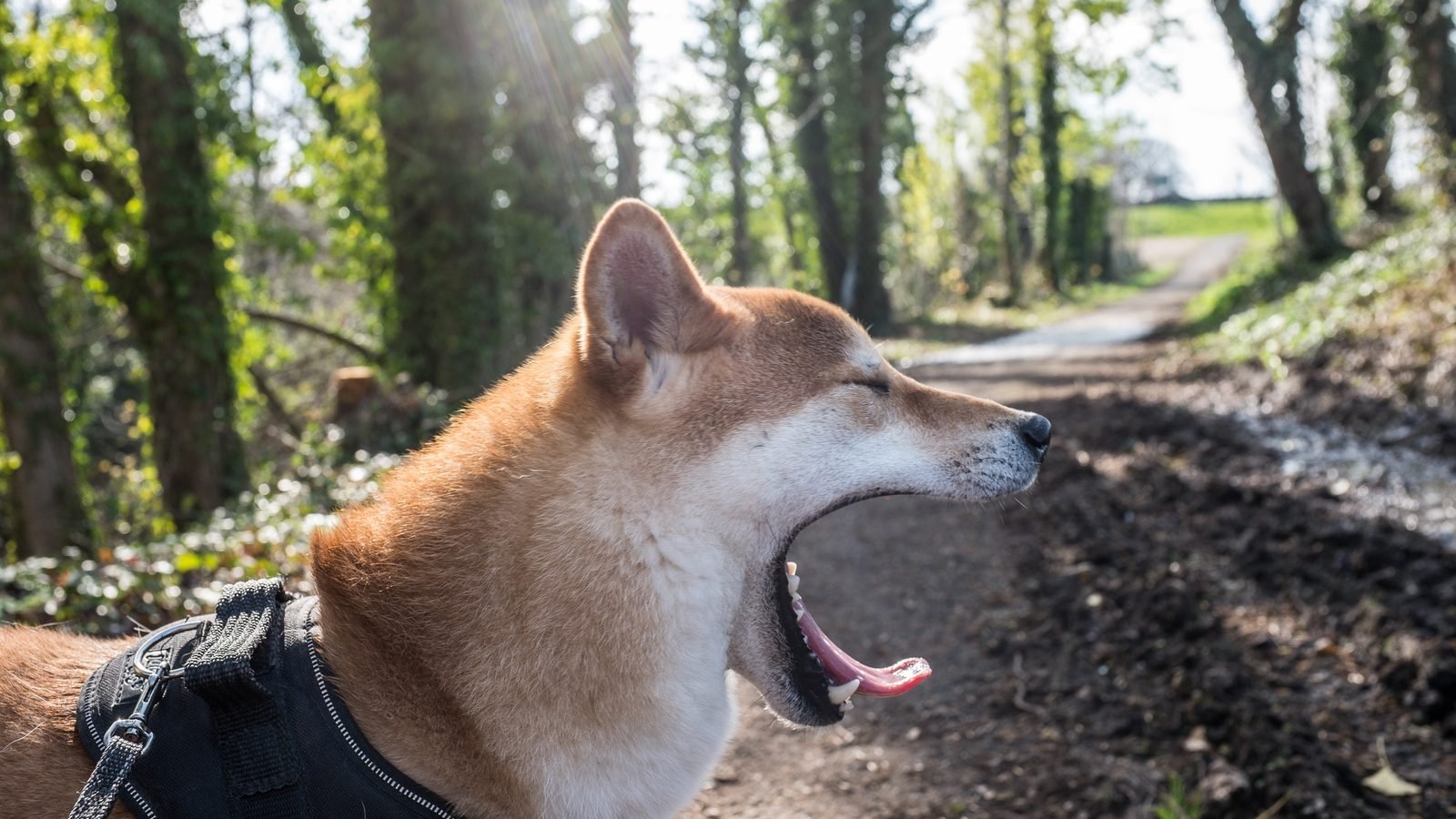
The most common cause of bad breath in dogs is periodontal disease, which starts with plaque: a layer of bacteria that hardens within a few days and forms tartar.
Tartar that has already formed can only be removed by a veterinary dental cleaning. At home, what helps most is daily brushing with dog toothpaste and checking their mouth regularly.
A dog's mouth smelling a little seems normal, so people tend to let it slide. But strong or persistent bad breath is almost always saying something about their teeth and gums. This guide explains where the smell comes from, how tartar forms, when to see the vet and what you can do at home, including what you can't expect from a treat.
Why bad breath happens
According to VCA Animal Hospitals, the most common cause of bad breath in dogs is periodontal disease, which starts with a buildup of plaque and tartar. The bacteria that settle there produce sulfur compounds, which are what cause the smell.
It's not the only possible cause. That's why bad breath is treated as a sign to check the mouth, not as a diagnosis. If the mouth looks fine and the smell persists, your vet will look into other explanations.
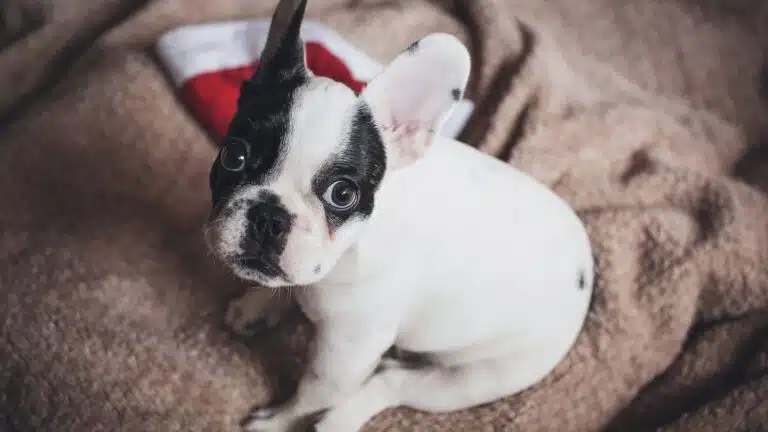
Some dogs are more prone to it: VCA notes that small and flat-faced breeds have more oral problems, because their teeth are closer together, they live longer, and they often eat softer foods.
When to see the vet
Book a vet appointment if bad breath comes with any of these signs:
- The smell is very strong or changed suddenly.
- Red, swollen or bleeding gums.
- A visible yellow or brown line at the base of the teeth.
- Loose or broken teeth.
- Drooling more than usual or pawing at the mouth.
- Chewing on one side only, dropping food or not eating. We explain it in my dog won't eat.
Lift their lip once a week and look at the outer side of the canines and the back molars. Those are the areas where tartar usually shows up first, and the ones you see least when your dog yawns.
What tartar is and how it forms
VCA describes the sequence, and it's faster than people think:
- Plaque. As soon as the dog salivates, a film of bacteria forms on the tooth, even on a freshly cleaned one. It's soft.
- Tartar. Within days, that plaque mineralizes and turns into tartar, also called dental calculus: a rough, hard layer stuck to the tooth that a brush can no longer remove.
- Gingivitis. The buildup moves toward the gum and inflames it.
- Periodontitis. If the process continues, the tissue that holds the tooth in place gets damaged. Pain sets in and teeth may be lost.
The practical takeaway: plaque can be managed at home; tartar can't. Once it hardens, it takes veterinary instruments.
Habits that help at home
The Veterinary Oral Health Council (VOHC), the veterinary organization that evaluates oral health products for pets, is clear: good oral health is maintained with daily hygiene, and the gold standard is brushing.
- Brushing. Ideally daily, with a toothbrush and toothpaste made for dogs. Start with a few seconds and a treat at the end, and build up gradually.
- Never human toothpaste. It isn't meant to be swallowed, and some contain xylitol, which is toxic to dogs. We explain it in foods dogs can't eat.
- Weekly mouth check, lifting the lip.
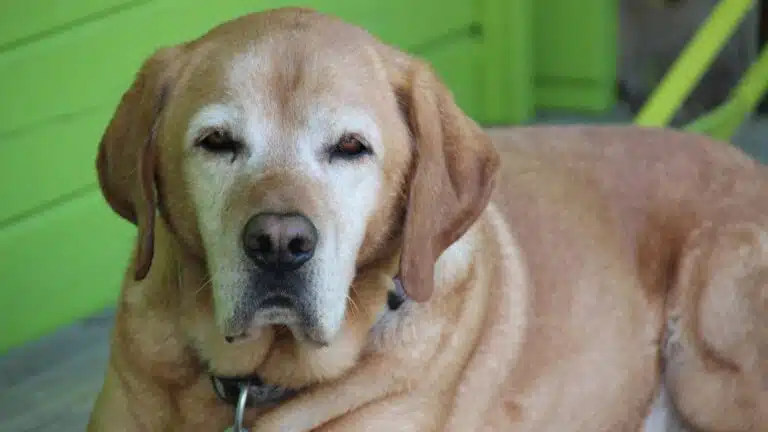
- Regular vet checkups, which according to the VOHC many dogs need to pair with professional cleanings, especially from middle age on.
- Products with proven backing. If you buy a product for dental purposes, look for the VOHC seal, which is awarded to products shown to help control plaque or tartar.
Chewing: what it does and doesn't do
Chewing is a natural dog behavior and part of their daily habits. The VOHC recognizes that daily chewing activities can help maintain oral health, which is why it evaluates specific products before awarding its seal.
What a treat can't do: no chew, biscuit or bone removes the tartar your dog already has, and none replaces brushing or a veterinary cleaning. If a product promises to “remove tartar” or “get rid of bad breath,” ask what that claim is based on.
My Pet treats are natural treats to chew and enjoy. We don't present them as a dental treatment. Your dog's oral care is for your vet to assess.
Safe chews for your dog's mouth
If you give chews, the most important criterion isn't dental, it's safety: a piece that's too hard for their mouth can fracture a tooth, and one that's too small can be swallowed whole.
| Dog | What to choose | Why |
|---|---|---|
| Large adult, strong bite | Half Beef Femur, Beef Bone | Large piece that can't be swallowed; always supervised |
| Medium adult | Pork Ear, Beef Ear Roll | Medium hardness: gives under the bite |
| Small dog | Mini Beef Ear, Trachea Tubes | Sized to fit their mouth |
| Puppy | Beef Lung 60g | Breaks down without needing a strong bite |
| Senior dog or dog with worn teeth | Trachea 6″ | Cartilage that gives; avoid hard bones |
Take the piece away when what's left could be swallowed whole. And even though they're natural, they count as treats: the guideline from the WSAVA is to stay under 10% of daily calories. The full comparison by hardness is in the guide to natural chews.
My Pet natural chews
Dehydrated ingredient, no rawhide, no preservatives or colorants. Made in La Estrella, Antioquia, by an ICA-certified Colombian manufacturer.
View edible chews · View dehydrated bones · View all natural dog treats
Professional dental cleaning
Once there's tartar, the solution is veterinary. VCA describes the procedure: first the whole mouth is examined; then the teeth are cleaned and polished under general anesthesia, removing plaque and tartar above and below the gum line; and then each tooth is checked, with X-rays when needed. Badly affected teeth sometimes have to be extracted.
After the cleaning, VCA stresses that daily plaque control is what keeps the problem and the bad breath from coming back. How often cleanings are needed depends on each dog, and that's for your vet to decide after looking at their mouth.
My Pet Team
The My Pet content team. My Pet is a Colombian maker of 100% natural dog treats and edible chews, produced in La Estrella, Antioquia, with certification from the Colombian Agricultural Institute (ICA).
This guide is for information only and doesn't replace an assessment by a vet. Dental diagnosis and treatment are for a professional.
More about us on About us.
Frequently asked questions
Why does my dog's breath smell bad?
According to VCA Animal Hospitals, the most common cause of bad breath in dogs is periodontal disease, which comes from a buildup of plaque and tartar. It's not the only possible cause, so if the smell is strong, persistent or changed suddenly, a vet checkup is a good idea.
How do you remove tartar from a dog's teeth?
Tartar that has already formed is removed with a veterinary dental cleaning, done under general anesthesia, which cleans above and below the gum line. Hardened tartar can't be removed at home. What you can do is care for plaque daily, mainly by brushing, so it builds up again more slowly.
Do dental treats get rid of bad breath?
It depends on the product and what it has proven. The Veterinary Oral Health Council awards its seal to specific products that have been shown to help control plaque or tartar. If a treat promises to get rid of bad breath, look for that backing. Either way, a treat doesn't replace a checkup or a veterinary cleaning.
Is brushing my dog's teeth worth it?
Yes. The Veterinary Oral Health Council considers brushing the gold standard for daily oral hygiene. Always use toothpaste made for dogs: human toothpaste isn't meant to be swallowed and some contain xylitol, which is toxic to them.
Which dogs have more dental problems?
VCA notes that small and flat-faced breeds are more prone, because their teeth are closer together. They also live longer and often eat softer foods. For these dogs, it's a good idea to check their mouth more often.
Summary
- The most common cause of bad breath is periodontal disease, which starts with plaque.
- Plaque hardens within days and turns into tartar. Only the vet can remove tartar.
- If there are red gums, bleeding, loose teeth or your dog stops eating, see your vet.
- At home, what helps most is brushing with dog toothpaste.
- A treat doesn't remove tartar or bad breath. If you choose chews, choose them for safety and give them under supervision.
How often do you check your dog's mouth? Tell us in the comments.
References
- VCA Animal Hospitals — Halitosis in Dogs — Causes of bad breath, plaque and tartar formation, and treatment.
- VCA Animal Hospitals — Dental Disease in Dogs — Canine periodontal disease.
- Veterinary Oral Health Council — Daily oral hygiene, brushing, and the seal for products with proven effectiveness.
- AVMA — Pet Dental Care — Veterinary dental care recommendations.
- WSAVA — Global Nutrition Guidelines — The 10% rule for treats.

[…] If you notice any, get a checkup before giving any chew. And if the problem is their breath, our guide to bad breath and tartar in dogs may help. […]