
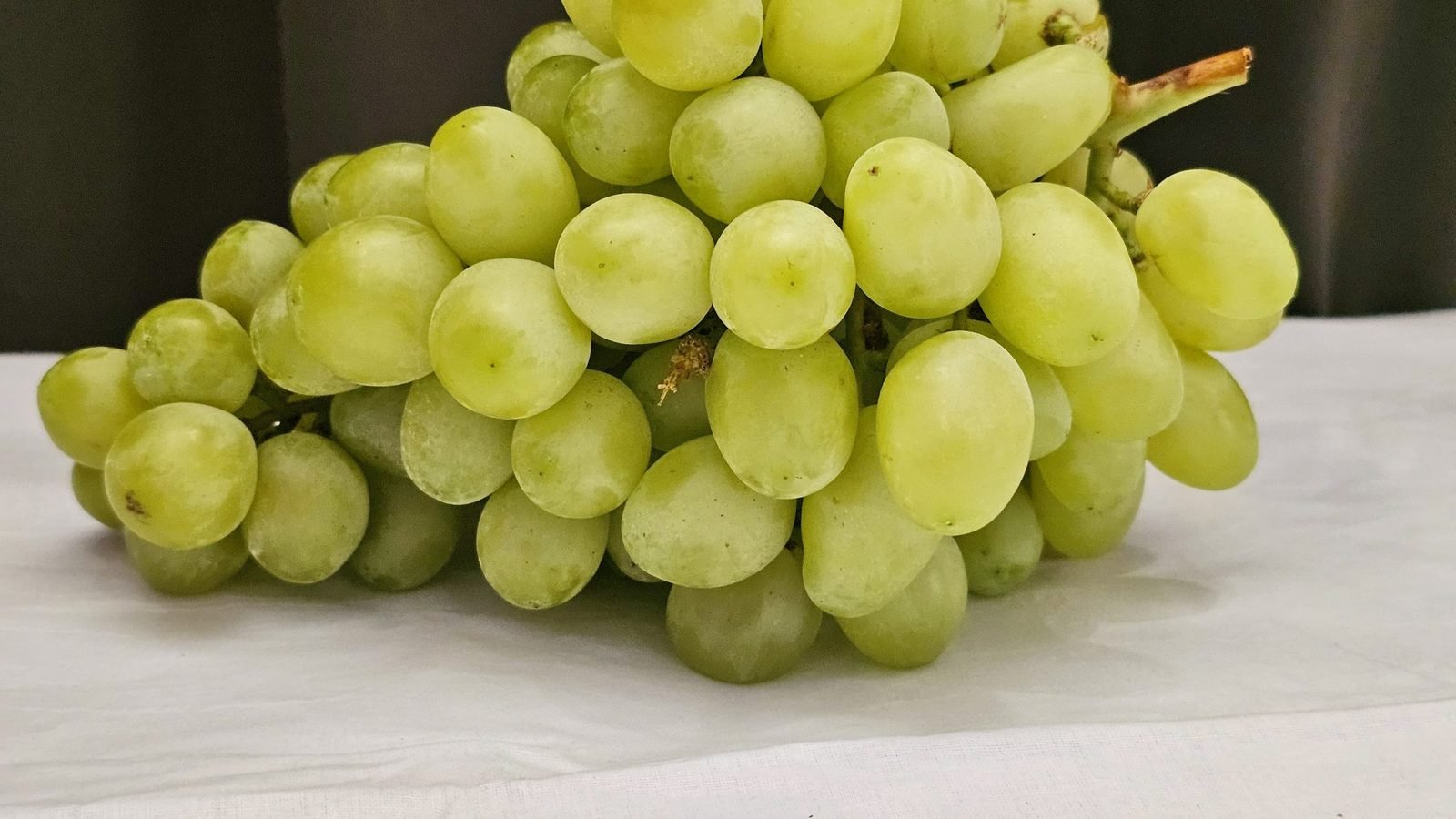
Foods dogs can't eat include chocolate, xylitol, grapes and raisins, onion and garlic, alcohol, macadamia nuts and cooked bones. These are the forbidden foods behind the most emergency visits.
If your dog already ate one, call the vet without waiting for symptoms to appear. Don't induce vomiting on your own.
Almost every owner knows about chocolate. Far fewer know that sugar-free gum can be just as serious, or that the bone left over from the sancocho (Colombian stew) is one of the most dangerous things a dog can get hold of. This guide separates what's truly dangerous from what just doesn't agree with them, explains why each food causes harm —because understanding the reason is what makes it stick— and ends with what to give instead.
If your dog already ate something: what to do
Many people land on this article because it already happened. That's why this comes first:
- Call the vet now, even if your dog seems fine. With several of these foods, the damage starts before you notice it.
- Have the details ready: what they ate, how much, how long ago, and how much your dog weighs. Keep the packaging.
- Don't induce vomiting on your own. With some substances it makes things worse, and with a sharp object it can cause more damage on the way up.
- Don't wait for symptoms to decide whether it's worth calling.
Keep your vet's phone number and that of a nearby 24-hour emergency vet saved on your phone and posted on the fridge. It's the kind of information you can never find when you're nervous.
The most dangerous foods
These don't allow for "a little bit won't hurt." The damage depends on the dog's weight and the amount, and only a veterinarian can assess that.
| Food | Why it's dangerous |
|---|---|
| Chocolate and cocoa | They contain theobromine, which dogs eliminate much more slowly than we do and which affects the heart and nervous system. The purer the chocolate, the greater the risk. |
| Xylitol | It triggers a sudden release of insulin that drops blood sugar, and it can damage the liver. |
| Grapes and raisins | They can cause kidney failure in some dogs. It's not known which compound causes it, which is why there's no amount considered safe. |
| Onion, garlic, leek, chives | They damage red blood cells and can cause anemia. The effect is cumulative: sauces, stews and broths count too. |
| Alcohol and raw yeast dough | Alcohol depresses the nervous system. Raw bread dough ferments in the stomach and produces alcohol. |
| Macadamia nuts | They affect the muscles and nervous system. |
| Coffee and energy drinks | They contain caffeine, a stimulant from the same family as the theobromine in chocolate. |
Xylitol is the most underestimated. It's not in the pantry as an obvious poison: it's in sugar-free gum and mints, some toothpastes, "light" peanut butters and products for diabetics. An open pack on the nightstand is enough. If you buy peanut butter to stuff toys, read the label every time: brands change their formulas.
The ones that seem harmless but aren't
Here the problem isn't always a toxin. Sometimes it's the fat, the salt or the shape of the food, and these are exactly the ones that slip through because "it's just regular food."
- Table scraps and cold cuts. They're loaded with salt, fat and seasonings, and many stews contain onion or garlic even if you can't see them.
- Dairy. Many adult dogs digest lactose poorly. It's not toxic, but a glass of milk usually ends in diarrhea.
- Avocado. The pit, skin and leaves contain persin, and the pit can block the intestine. Veterinary sources disagree about the flesh, so the prudent thing is not to offer it.
- Corn on the cob. The kernels aren't toxic, but the whole cob is a classic cause of intestinal blockage.
- Fruits with pits or seeds (mango, peach, plum, apple, pear). The flesh is usually fine; the pit and seeds are not.
The flip side of this list, which fruits and foods your dog can eat and how to prepare them, is in our guide on which fruits dogs can eat.
The case of the cooked bone
It deserves its own section because it's very common in Colombia and widely misunderstood. The bone left over from broth, a barbecue or sancocho looks like a natural treat, but cooking makes it brittle. When chewed, it can break into sharp-edged splinters that get stuck in the throat, perforate the digestive tract or cause a blockage. That's why the American Kennel Club advises against cooked bones. The same applies, even more so, to cooked chicken bones.
A dehydrated bone never goes into the pot, but it isn't risk-free either: it's still hard. A bone that's too small can be swallowed, and one that's too hard for the dog's mouth can fracture a tooth. That's why any bone or hard chew should be given:
- In the right size: bigger than what your dog could swallow whole.
- Under supervision, never left alone with it for hours.
- Taking it away when only a small piece is left.
Older dogs or those with worn teeth need something that gives, like trachea, instead of a bone. We compare the options in beef bones vs. pork bones and separately cover the case of rawhide.
What to give instead
Most of these accidents happen because the dog begs at the table and someone gives in. The practical solution isn't just hiding the food: it's having something on hand they can eat, so the "no" comes with a "this one, yes."
| If they beg for… | Give them instead | Why |
|---|---|---|
| While you cook or eat | Beef Lung 60g | It breaks by hand into small pieces and is eaten in a moment |
| The bone from the barbecue | Beef Bone or Half Beef Femur | Never cooked in a pot; the right size and always supervised |
| A treat during training | Liver Biscuits 175gr | They break into small bites |
| Something to keep them busy | Beef Ear Roll or Beef Trachea 12″ | A good chewing session, under supervision |
| Something sweet | A few pieces of safe fruit, like pineapple or seedless watermelon | Instead of desserts with sugar or chocolate |
My Pet natural treats
Dehydrated treats with no rawhide, no preservatives or colorants. Made in La Estrella, Antioquia, by an ICA-certified Colombian manufacturer.
- No onion, no garlic, no added salt, no sweeteners
- A readable label: you know what you're giving them
If you're fundamentally rethinking what your dog eats and not just the treats, start with our practical guide to natural dog food.
My Pet Team
The My Pet content team. My Pet is a Colombian maker of 100% natural dog treats and edible chews, produced in La Estrella, Antioquia, with certification from the Colombian Agricultural Institute (ICA).
This guide is for information only and doesn't replace a veterinary consultation. If you suspect poisoning, call your vet.
More about us on About us.
Frequently asked questions
How much chocolate is dangerous for a dog?
It's not worth calculating at home. The risk depends on the type of chocolate and the dog's weight, and dark chocolate and cocoa powder are far more concentrated than milk chocolate. If your dog ate chocolate, call the vet with the packaging at hand and let them assess the amount.
What is xylitol and why is it so dangerous?
It's a sweetener found in sugar-free gum, some toothpastes, peanut butters and light products. In dogs, it triggers a sudden release of insulin that drops blood sugar, and it can damage the liver. It's one of the most underestimated toxins because it's in products that seem harmless.
Why is a cooked bone so dangerous?
Cooking makes the bone brittle, so when chewed it can break into sharp-edged splinters. The American Kennel Club advises against it because of the risk of choking, perforation and blockage. Any bone or hard chew, including dehydrated ones, should be given in the right size, under supervision, and taken away when it gets small.
Is avocado toxic to dogs?
The pit, skin and leaves contain persin, and the pit can also cause an intestinal blockage. The American Kennel Club considers a little flesh now and then tolerable, but the ASPCA lists it among foods to avoid. The prudent thing is not to offer it, and to call the vet if they swallowed the pit.
What should I do if my dog already ate something on this list?
Call the vet right away, even if your dog seems fine, and have ready what they ate, how much, how long ago, and their weight. Don't induce vomiting on your own: with some substances and objects it makes things worse. The sooner they're seen, the more options the vet has.
And if your dog stops eating after a scare, check out what to do if your dog won't eat.
Summary
- What dogs can't eat: chocolate, xylitol, grapes and raisins, onion and garlic, alcohol, macadamia nuts, coffee and cooked bones.
- If they already ate it, see the vet without waiting for symptoms, and don't induce vomiting on your own.
- Xylitol is the most underestimated because it's in everyday products.
- Cooked bones splinter. Any hard bone should be the right size and given under supervision.
- Prevention means having a "yes" on hand. A natural treat within reach prevents most table accidents.
Has something your dog got hold of ever given you a scare? Tell us in the comments.
References
- ASPCA — People Foods to Avoid Feeding Your Pets — A list of human foods that are dangerous for pets.
- American Kennel Club — Can Dogs Eat Bones? — The risks of cooked bones.
- American Kennel Club — Grape Toxicity in Dogs — The kidney risk of grapes and raisins.
- VCA Animal Hospitals — Chocolate Poisoning in Dogs — Theobromine poisoning.
- AVMA — Household Hazards — Common household hazards for companion animals.
- ICA — Food safety in agri-food chains — Colombia's food safety framework for animal-origin products.



[…] They may have eaten something toxic or swallowed an object. Check the list of forbidden foods for dogs. […]
[…] are off-limits for dogs, like onion, garlic or grapes; check the full list of forbidden foods for dogs and, for fruits and vegetables, our guide to which fruits dogs can […]
[…] without thinking. Read the label every time, even if it's your usual brand. The full list is in forbidden foods for dogs, and the fruits and vegetables you can use, in which fruits dogs can […]
[…] truly. They should be dehydrated and uncooked: a bone cooked at home splinters and is one of the forbidden foods for dogs. We have them grouped in bones for […]
[…] A general rule for any fruit with a pit or large seed —mango, peach, plum, avocado—: the flesh may be fine, the pit never. The full list of what they shouldn't eat is in forbidden foods for dogs. […]
[…] Chocolate, grapes, raisins, onion and garlic, even in a "homemade" filling. The full list is in forbidden foods for dogs. […]