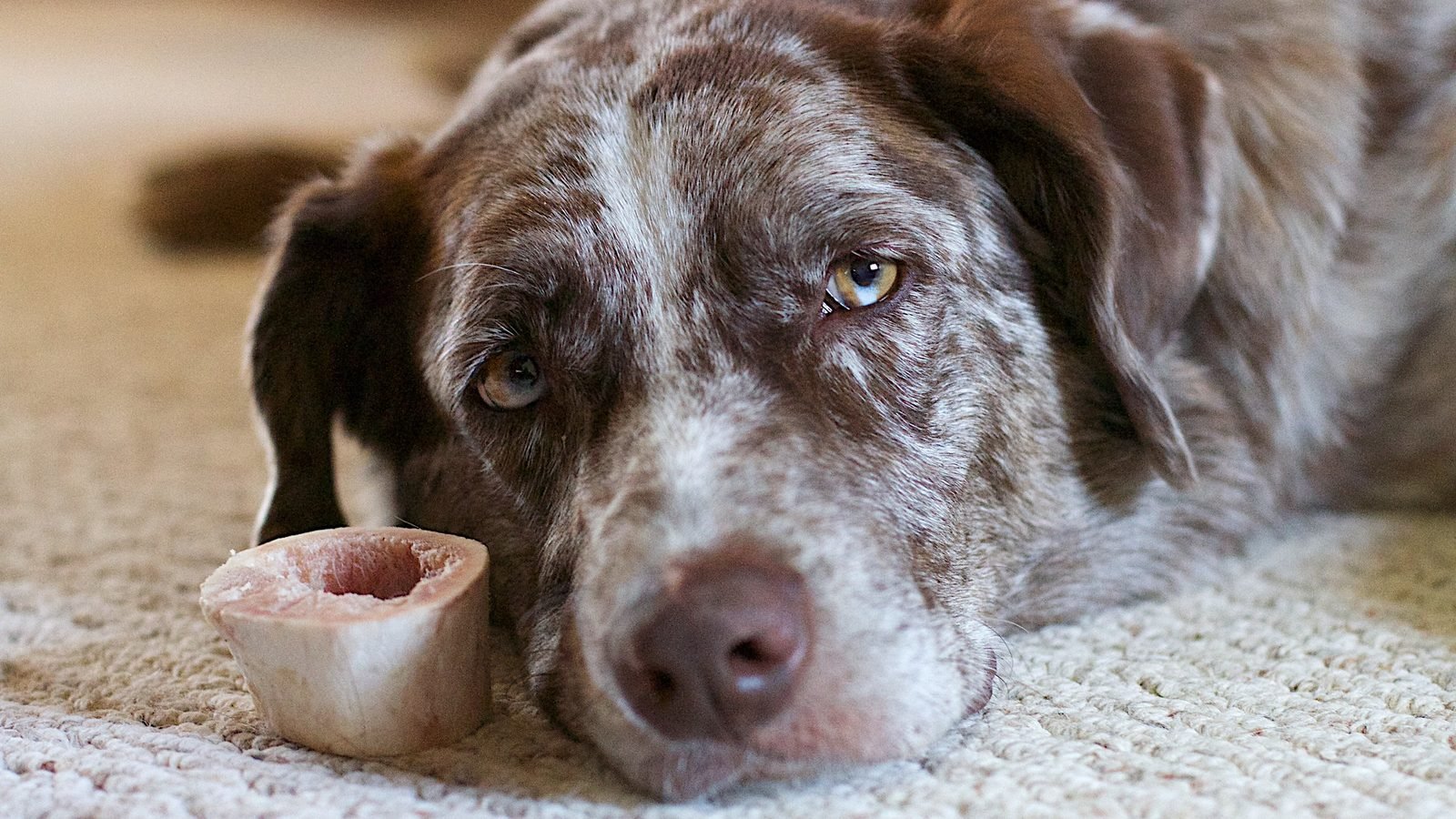
The best natural dog treats are single-ingredient animal products, with no added preservatives or colorants, from an identified manufacturer with ICA registration.
In Colombia there are six types: dehydrated treats, bones, chews, biscuits, jerky and mixes. The best one for your dog is the one that meets those criteria and also has the size and hardness their bite calls for.
In Colombia there are several brands and makers of natural dog treats, from small startups to companies with their own plant. We're one of them, so we're not going to give you a brand ranking: it wouldn't be very credible. What we can give you is what we know from making them every day: what sets a truly natural treat apart from one that just says so, what types there are and what to look for before buying, whatever the brand.
What makes a treat truly natural
“Natural” doesn't have a single definition on pet product labels, so it's worth looking at concrete facts rather than the word. A truly natural treat meets four conditions:
- One ingredient, or very few, and recognizable ones. “Beef ear” is an ingredient. “Meat by-products, flour, flavorings” is not.
- No added preservatives, colorants or flavorings. Preservation comes from the process, usually dehydration, not from an additive.
- No rawhide or pressed hide. Rawhide is a by-product of the leather industry; if you want to understand why it's not the same thing, we explain it in rawhide bones for dogs.
- A manufacturer you can identify, with an address and registration with the health authority.
The FDA reminds us that pet treats are food and are subject to the same safety rules as any other food. That's the right mindset for choosing them: the way you choose food, not the way you choose a toy.
The 6 types of natural treats in Colombia
| Type | What it is | What it's for | Examples |
|---|---|---|---|
| Dehydrated | Beef or pork organ meat or cartilage with the moisture removed | Daily treat and short chewing | Lung, ears, gullet (rancheros) |
| Bones | Dehydrated beef or pork bone, uncooked | Long chewing for dogs that can handle hardness | Beef bone, pork bone, femur |
| Chews | Fibrous or cartilage pieces the dog holds and works on | Entertainment and medium chewing | Trachea, tendons, churros |
| Biscuits | Small baked treat | Training and occasional rewards | Liver, chicken and carrot |
| Dried meat | Dehydrated beef muscle (beef jerky) | High-value treat for big distractions | Beef Jerky |
| Mix | An assortment of several dehydrated treats in one pack | Trying textures or rotating through the week | 100 g or 350 g Mix |
Dehydrated
They're the largest group and the one that best represents the idea of a single-ingredient treat. Lung is light and breaks with your fingers; ears are leathery and last longer; gullet can be given whole or in pieces. You'll find them in our section of natural treats & rewards.
Bones
For dogs that really need to chew. They should be dehydrated and uncooked: bones cooked at home splinter and are one of the foods dogs can't eat. We've grouped them under dog bones.
Chews or edible chews
The middle ground between a treat and a bone. Trachea, tendons and churros keep a dog busy for a good while without the hardness of a bone. They're in edible chews for dogs.
Biscuits
The natural format for a training treat: small, easy to carry and break. Check that the ingredient list is short. Ours are in dog biscuits.
Dried meat
Dehydrated beef muscle. It's the treat that sparks the most interest, so it's saved for tough moments: a park full of distractions, a trip to the vet. We explain it in depth in jerky for dogs.
Mix
An assortment is useful for two things: finding out which texture your dog prefers without buying five products, and rotating through the week so they don't get bored of the same treat.
How to choose based on your dog's size
| Size | What to look for | What to avoid |
|---|---|---|
| Small (up to 10 kg) | Thin or mini pieces: mini ears, lung, trachea tubes | Very hard bones and large portions that use up their daily allowance |
| Medium (10 to 25 kg) | Ears, 6″ trachea, churros, pork bone or caramel bone | Short pieces they could swallow in two bites |
| Large and giant (over 25 kg) | Beef bone, femur, 12″ trachea | Any piece that fits whole in their mouth |
If you want the detailed version, product by product and by your dog's age, it's in our guide to which treat to give your dog based on size.
How to choose based on chewing style
| Chewer | Sign | Type of treat |
|---|---|---|
| Gentle | Licks and nibbles calmly | Soft dehydrated treats, biscuits, tendon |
| Medium | Finishes an ear in one session | Chews: trachea, churros, rolled ears |
| Power | Breaks anything in minutes | Large, dense bones, always under supervision |
With any chew, the American Kennel Club's rule is the same: it should be bigger than the dog's mouth, chewed with someone watching, and taken away when a piece is left that they could swallow.
What to check on the label before buying
This checklist works for any brand, including ours:
- Ingredients. The fewer the better, and you should know what each one is.
- Additives. No added preservatives, colorants or flavorings should be listed.
- Manufacturer. Name, city and a way to get in touch. If you don't know who made it, you don't know who to ask.
- ICA registration. In Colombia, the Colombian Agricultural Institute (ICA) is the authority that oversees the safety of animal-origin products, including animal feed. A product with ICA registration has a manufacturer that answers to that authority.
- Lot number and expiration date. Essential in a product without preservatives.
- Directions for use. What size dog it's for and how to give it.
- Packaging. It should seal well, because a dehydrated product that absorbs moisture spoils.
ICA registration doesn't make one treat better than another, but it's the reasonable minimum: it tells you there's an identified manufacturer behind it. My Pet makes its products at its plant in La Estrella, Antioquia, with ICA certification; you can see how we work in about us.
Store-bought or homemade treats
| Homemade | Made by a registered manufacturer | |
|---|---|---|
| Ingredient control | Full | Depends on the brand: read the label |
| Duration | A few days in the fridge | Weeks or months, with an expiration date |
| How it works | Your kitchen | Controlled process, traceable by lot |
| Variety of textures | Limited: biscuits and not much else | Ears, trachea, bones, jerky |
They don't compete: many owners combine both. If you want to make treats at home, we have homemade dog biscuit recipes with the ingredients they should never contain.
How much to give
However natural it is, a treat is a supplement. The guideline from the WSAVA is that treats shouldn't exceed 10% of daily calories. In practice:
- A long-lasting chew can be the treat of the day.
- On training days, split that allowance into very small pieces.
- If you give a lot of treats, cut back a little on their portion of food to make up for it.
- Never use treats to replace a meal.
Where to buy natural treats in Colombia
Natural treats are available at pet stores, vet clinics, online shops and directly from manufacturers. Buying from the manufacturer has a practical advantage: you can ask them directly about where the raw material comes from and about the process.
You can buy our products at the My Pet online shop, with shipping to most departments in the country; the cost is calculated in the cart based on your city. For wholesale orders, distribution or any questions, you can message us on WhatsApp at +57 317 571 3030 or through the contact page.
If it's your first time buying natural treats
- Mix 100gr — an assortment of dehydrated treats to discover what they like
- Liver Biscuits 175gr — the most popular training treat
- Beef Ear — a single-ingredient chew to start with
My Pet Team
The My Pet content team. My Pet is a Colombian maker of 100% natural dog treats and edible chews, produced in La Estrella, Antioquia, with certification from the Colombian Agricultural Institute (ICA).
This guide is for information only. If your dog has allergies, is overweight or has a health condition, ask your vet which treats are right for them.
More about us on about us.
Frequently asked questions
What are the best natural dog treats?
Those with a single animal-origin ingredient, no added preservatives or colorants, from an identified manufacturer with ICA registration, and with the right size and hardness for your dog. There's no single best treat for every dog: the best one meets those criteria and fits their weight, age and bite.
Which natural treats are good for dogs?
Beef or pork ears, trachea, lung, tendon, dehydrated beef, dehydrated uncooked bones and biscuits with simple ingredients. They all work as a treat or a chew, always under supervision and without going over 10% of daily calories.
What does it mean for a dog treat to have ICA registration?
It means the product or its manufacturer is registered with the Colombian Agricultural Institute, the agency that oversees animal feed production in Colombia. It's not a seal of superior quality, but it does tell you there's an identified manufacturer that answers to the health authority.
Is a homemade or a store-bought treat better?
Both can be good. Homemade gives you full control over the ingredients, but it only lasts a few days and doesn't go through a controlled process. Store-bought lasts longer, has a lot number and expiration date, and if it comes from an ICA-registered manufacturer, someone stands behind it. What matters in both cases is the ingredient and the portion.
How often can I give my dog a treat?
Every day, if you count it as part of their diet. The WSAVA guideline is that treats shouldn't exceed 10% of daily calories. A long-lasting chew can be the treat of the day; on training days, split that allowance into small pieces.
Summary
- Single ingredient, with no added preservatives or colorants, and no rawhide.
- Six types: dehydrated treats, bones, chews, biscuits, jerky and mixes.
- Choose by size and bite, not by the photo on the package.
- Check the label: manufacturer, ICA registration, lot number and expiration date.
- Treats within 10% of daily calories.
Which natural treat is your dog's favorite? Tell us in the comments.
References
- FDA — Pet Food and Treats — Pet treats are regulated as food.
- American Kennel Club — How to Choose Edible Dog Chews That Are Also Safe — Size, supervision and removal of edible chews.
- WSAVA — Global Nutrition Guidelines — Veterinary nutrition guidelines and the 10% rule for treats.
- ICA — Food safety in agri-food chains — Colombian Agricultural Institute program on the safety of animal-origin products.