
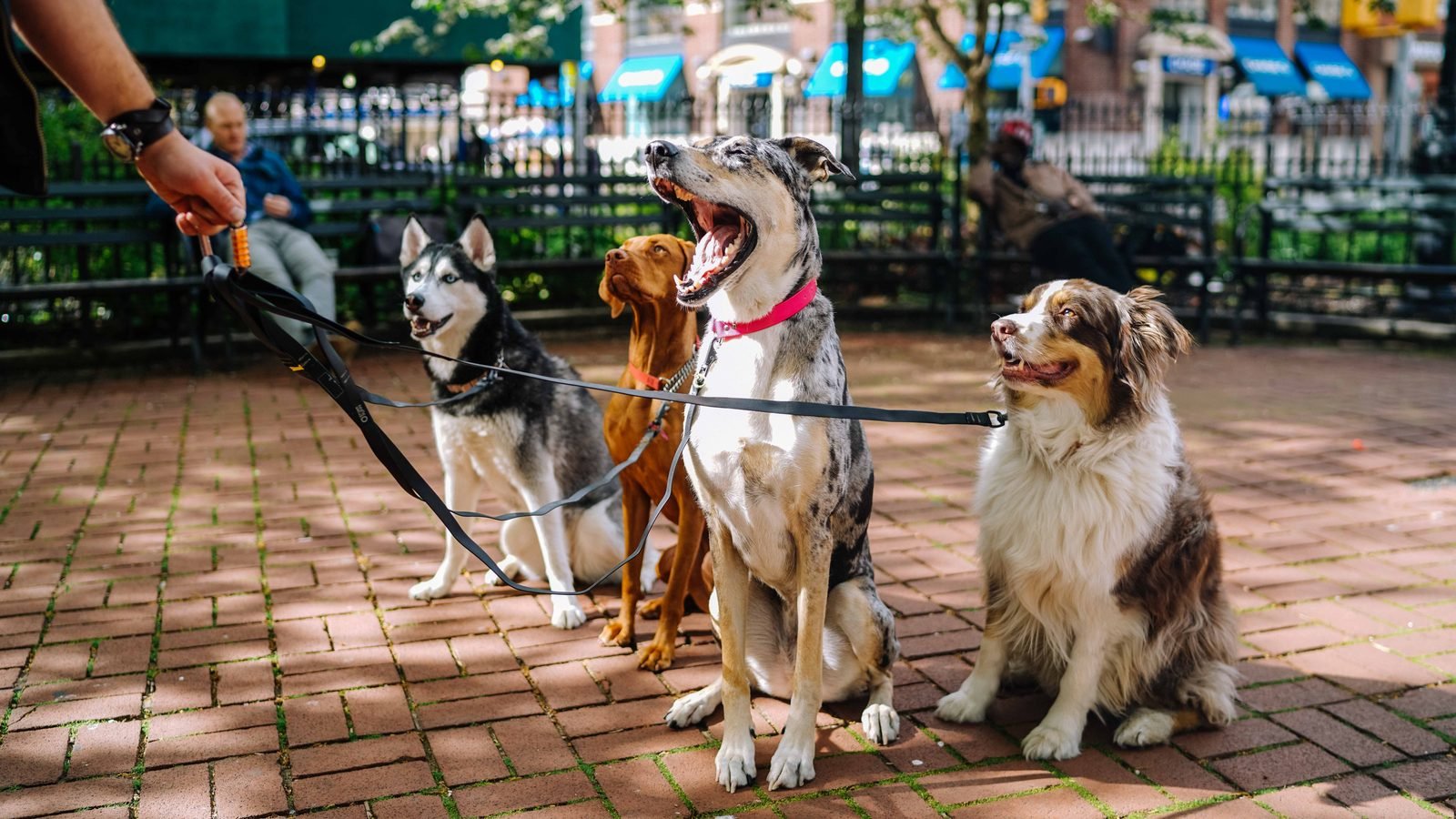
To know what treat to give your dog you need three facts: their weight, their age and the bite strength.
A small dog needs thin pieces, like mini ears or trachea tubes; an intense chewer over 25 kg needs a femur or a beef bone. In every case, the chew should be bigger than their mouth.
Most problems with treats don't come from the ingredient but from the size. A bone that lasts a Labrador all afternoon tires out a Pinscher's jaw; a tendon strip a German Shepherd swallows in two bites lasts a Shih Tzu a good while. This guide lays out the decision in a chart and gives you the safety rules that apply to any dog.
The three facts that determine the right treat
- Weight. It determines the minimum piece size and how many treats fit into their day. A 5 kg dog and a 35 kg dog can't get the same portion.
- Age. A puppy has developing teeth and jaws; an older dog may have worn or sensitive teeth. Both need softer textures than a healthy adult.
- Bite. Some dogs lick and nibble for an hour, and others break anything apart in minutes. The same treat can be perfect for one and dangerous for the other.
With those three facts you can use the chart below. If your dog is right between two sizes, choose the larger piece: it's always safer to go too big than too small.
By size: master chart
All the products in the chart are natural, single-ingredient, dehydrated animal treats that we make in La Estrella, Antioquia. Use it as a starting point and adjust based on how your dog chews.
| Size | Gentle chewer | Intense chewer | Training treat |
|---|---|---|---|
| Small up to 10 kg | Mini Beef Ear, Beef Lung 60g | Trachea Tubes, Trachea Rings, Pork Bone | Chicken & Carrot Biscuits 150gr |
| Medium 10 to 25 kg | Beef Ear, Beef Lung 200g | Trachea 6″, Tender Bar, Churros, Caramel Bone | Liver Biscuits 175gr, Rancheros 90g |
| Large 25 to 40 kg | Beef Ear Roll, Beef Jerky 200gr | Beef Bone, Stuffed Bone, Half Beef Femur, Beef Trachea 12″ | Liver Biscuits 500gr |
| Giant over 40 kg | Smoked Beef Ear, Pork Ears | Whole Beef Femur | Liver Biscuits 700gr |
| Puppy any breed | Beef Lung 60g, in small pieces | Nothing hard without asking the vet | Puppy Liver Biscuits |
If you'd rather see the catalog filtered by size, we have sections for treats for small dogs and treats for medium dogs. For large and giant dogs, the go-to is our line of dog bones.
By age
Puppies
A puppy that already eats solid food can get treats, but small, soft and counted within their daily ration. It's the stage when the most treats get handed out, because they're learning everything, so piece size matters more than ever: beef lung crumbles between your fingers and is perfect for that. Before giving them bones or hard chews, ask your vet, because their teeth and jaw are still forming. In our guide on how many times a day a dog should eat we explain how to fit those treats into their schedule.
Adults
It's the stage with the most leeway. Here, bite is what matters: a healthy adult can move from ears to trachea or bones depending on what they like and what their chewing can handle. The chart above is designed for them.
Senior dogs
There's no single age: according to VCA Animal Hospitals, large and giant breeds are considered seniors between 5 and 8 years old, and small breeds around 10 or 11. With age, worn or sensitive teeth may appear, so it's a good idea to go back to softer textures (ears, lung, tendon) and save the harder bones for after the vet has checked their mouth.
By bite strength
Watch them with a chew they already know. In ten minutes you'll know which of these three groups they're in:
| Type of chewer | How to recognize it | What suits them best |
|---|---|---|
| Gentle | Licks, nibbles, holds the piece with their paws and sets it down now and then | Ears, lung, tendons, trachea rings |
| Medium | Chews steadily and finishes an ear or a short trachea in one session | Trachea, churros, Ranchero Spiral, pork bone |
| Power | Breaks apart in minutes what takes others an afternoon to finish; tears off large chunks | Beef bone, stuffed bone, half or whole femur, always generously sized |
With intense chewers, the American Kennel Club warns that they may break the piece into large chunks or try to swallow it whole. The solution isn't to stop giving them chews, but to give them a bigger one and stay close by. If your dog has sensitive or worn teeth or a fractured tooth, check with your vet before offering hard bones.
If you want to compare textures and how long trachea, tendons and ears last, we cover it in detail in the comparison guide to natural chews, and the difference between beef and pork bones in beef bones vs. pork bones.
Safety rules for every size
- Bigger than their mouth. Choose chews your dog can't fit whole in their mouth.
- Always under supervision, especially the first time they try a new product.
- Take it away when only a small piece is left that they could swallow in one go.
- Never cooked bones from the kitchen: they splinter. Treat bones should be dehydrated, not cooked.
- Fresh water available while they're chewing.
- Treats within 10% of daily calories, according to the WSAVA.
The first three rules are the ones recommended by the American Kennel Club for any edible chew. The last one prevents the most common mistake: adding treats on top of meals until the dog gains weight.
Common mistakes when choosing
- Buying by the photo instead of by the size. A small bone for a big dog is the most dangerous case of all.
- Giving the same chew to two dogs of different sizes. If a small dog and a big dog live together, each one needs their own, ideally in separate spaces.
- Using a long chew as a training treat. In a session you need pieces that are eaten in a second; the chew is for afterward.
- Forgetting that treats are food too. For a 5 kg dog, a few whole biscuits are already a significant part of the day.
- Not watching how they chew. The first session with a new product tells you more than any chart.
If you use treats for training, in dog training with treats we explain how big each piece should be and how many to give per session.
Is your dog between two sizes?
Start with a trial format and see how they chew before buying the big bag:
- Mix 100gr — an assortment of several dehydrated treats to find out which texture they prefer
- Trachea 6″ — a half piece, to see if they like cartilage
- Half Beef Femur — the middle ground between the short bone and the whole femur
My Pet Team
The My Pet content team. My Pet is a Colombian maker of 100% natural dog treats and edible chews, produced in La Estrella, Antioquia, with certification from the Colombian Agricultural Institute (ICA).
This guide is for information only and doesn't replace a veterinary consultation. If your dog has dental problems or a health condition, ask your vet which chews are right for them.
More about how we work at about us.
Frequently asked questions
What bone can I give a small dog?
One that doesn't fit whole in their mouth and isn't too hard for their jaw. For dogs up to 10 kg, the pork bone, softer than the beef bone, or a short bone like the caramel bone usually works well. Never give cooked bones, always supervise, and take it away when a piece is left that they could swallow.
What treat should I give a big dog that destroys everything?
A large, dense chew, like the half or whole beef femur, the beef bone or the 12-inch trachea. Size matters more than brand: the piece must be bigger than their mouth. If they break off large chunks within a few minutes, take them away and move up to a bigger or harder piece.
At what age can a puppy eat treats?
Once they eat solid food, they can get small, soft treats, like bits of beef lung or puppy-size biscuits, within their daily ration. For bones and hard chews, ask your vet first: their teeth and jaw are still developing.
How many treats a day can I give my dog based on their size?
The guideline isn't the number of treats but calories: treats shouldn't exceed 10% of what your dog eats in a day, according to the WSAVA nutrition guidelines. A small dog reaches that limit with very little, so break treats into tiny pieces.
How do I know if a chew is too small for my dog?
If they could fit it whole in their mouth, it's too small. The American Kennel Club recommends choosing chews big enough that the dog can't get their mouth all the way around them, and taking them away once they've been worn down to a size they could swallow.
Summary
- Weight, age and bite determine the treat, in that order.
- Bigger than their mouth, always. Between two sizes, go bigger.
- Puppies and senior dogs: soft textures, and ask before giving hard bones.
- Power chewers: large, dense pieces, under supervision.
- Treats within 10% of daily calories.
What size and chew worked for yours? Tell us in the comments.
References
- American Kennel Club — How to Choose Edible Dog Chews That Are Also Safe — Chew size relative to the mouth, supervision and intense chewers.
- VCA Animal Hospitals — Feeding Mature and Senior Dogs — The age at which a dog is considered senior, by size.
- WSAVA — Global Nutrition Guidelines — Veterinary nutrition guidelines and the 10% rule for treats.



[…] don't know the dog well, the guide on what treat to give your dog based on size helps you get the size and the […]
[…] want to see which treat suits each size and age, we cover it in what treat to give your dog based on size, and the whole biscuit line, including Puppy, in biscuits for […]