
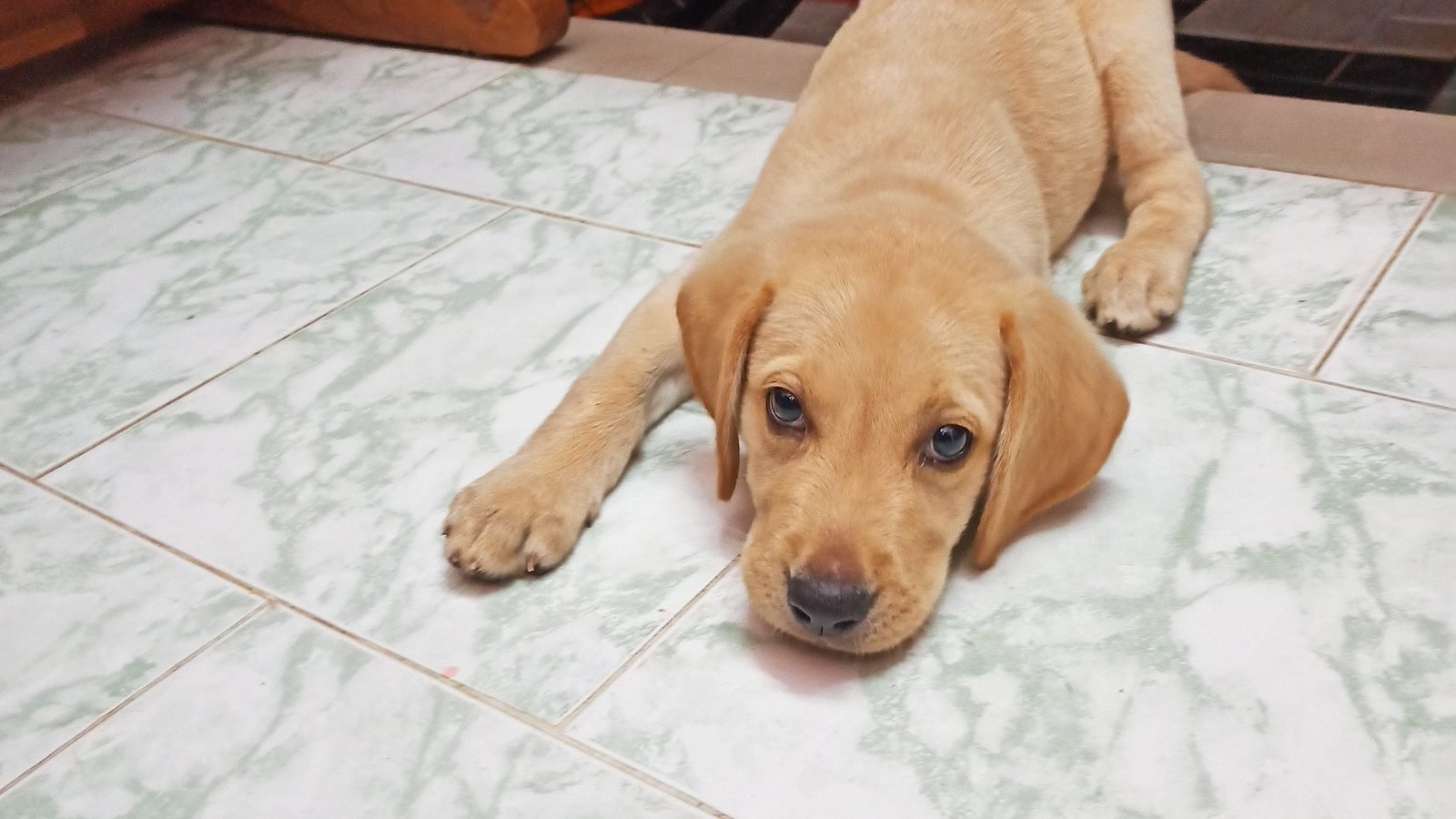
About how many times a day a dog should eat, the guideline is: a puppy, three to four times (more for toy breeds); an adult, twice; and a senior dog, two or more small portions.
Treats count toward the day's total: set aside part of their ration for them instead of adding them on top.
How often a dog eats changes with age and, in some cases, with size. There's no single number for every dog, but there is a clear guideline vets use, and a few mistakes worth avoiding, like leaving the bowl full all day. In this guide you'll find a chart by age, how to organize feeding times and where treats fit in, which is the part almost no one explains.
By age
| Stage | Meals per day | Why |
|---|---|---|
| Puppy, first 3 months | 3 to 4 (toy breeds: 4 to 6) | Small stomach and lots of energy for growing |
| Puppy, from 4 months | About 3, then 2 | Can now handle bigger portions |
| Adult | 2 | The most common recommendation from vets |
| Senior dog | 2 or more small portions | Controlled portions that are easier to monitor |
Puppies
According to the American Kennel Club, toy-breed puppies need 4 to 6 meals a day during their first three months, medium-breed puppies about 3, and large-breed puppies 3 to 4. Around four months, most can move to about three meals and then to two. VCA Animal Hospitals agrees that splitting a puppy's food into three or four meals helps, because it divides the day's volume into smaller portions. Your vet will set the exact pace of each change at checkups.
Adults
Most adult dogs need two meals a day, and vets recommend not going below that. Two meals spread the day's energy better and keep the dog from going too many hours on an empty stomach.
Senior dogs
VCA Animal Hospitals considers large and giant breeds senior from 5 to 8 years old, and small breeds around 10 or 11. For them it suggests two, three or four small portions depending on your routine, and points out a practical advantage: by serving portions instead of leaving food out all the time, you notice right away if they stop eating. It also recommends weighing them regularly at the vet.
By size
- Toy breeds (Chihuahua, Yorkshire Terrier, Pomeranian): as puppies they need the most frequent meals, because their energy reserves are small.
- Medium breeds: follow the general chart without major changes.
- Large and giant deep-chested breeds (Great Dane, Saint Bernard, Weimaraner, Doberman, Setter, Standard Poodle): have a higher risk of gastric torsion (bloat), an emergency. The AKC notes that dogs who eat only once a day have twice the risk of those who eat twice, and that dogs who eat very fast have five times the risk. For them, two or more meals and a slow-feeder bowl are a good idea.
What if they eat just once a day?
It's one of the most common questions, and the answer is nuanced. The Dog Aging Project, which analyzed surveys from more than 24,000 owners, found that dogs fed once a day were less likely to have certain diseases. But the researchers themselves, quoted by the AKC, warn that it's a statistical association, not a cause-and-effect relationship, and recommend talking to your vet before changing the routine.
In practice: if your adult dog has eaten once a day for years and is healthy, there's no rush to change it, but bring it up at their next checkup. If they're a large, deep-chested breed, or a puppy, a single meal isn't a good idea.
How to organize feeding times
- Set times. For example, 7:00 a.m. and 6:00 p.m. Consistency matters more than the exact time.
- Reasonable spacing. VCA explains that signs of hunger appear after 8 to 10 hours on an empty stomach; two meals 8 to 12 hours apart fit well with that.
- Bowl away after a while. If they don't eat within a few minutes, take the food away until the next meal.
- No food available all day. Both the AKC and VCA advise against keeping the bowl always full: it encourages weight gain and keeps you from knowing how much they eat.
- Calm around mealtime. If you have several dogs, give each one its own space.
How much they should eat
The amount depends on the food, the dog's weight, age and activity. The starting point is the chart on their kibble bag or your vet's plan; then you adjust by watching their shape and weight. If they're on a homemade or raw diet, a professional should calculate the amount; we explain it in BARF diet for dogs. For an overview of how to feed naturally, see the guide to natural feeding for dogs.
Where treats fit in
This is the part almost no feeding-schedule guide mentions: treats are food too. The WSAVA suggests they shouldn't go over 10% of the day's calories. Some practical ways to manage it:
- Set aside a fixed part of the day for them instead of adding them on top of their ration.
- Give them between meals, not right before, so they don't spoil their appetite.
- On training days, use tiny treats or part of their own kibble, and reduce their ration a little.
- A long-lasting chew can be that day's treat.
- Don't replace a meal with treats, however natural they are.
If you use treats for training, in dog training with treats we explain what size they should be. And if you give fruit as a treat, first check which fruits dogs can eat.
Treats for puppies: when to start and which ones
A puppy already eating solid food can have treats, and in fact this is the stage when they're used most, because they're learning everything. Three conditions:
- Small and soft. Pieces they can eat in a second, like beef lung, which crumbles between your fingers, or Puppy liver biscuits.
- Counted within their ration, which at this stage is especially important for healthy growth.
- Nothing hard without asking first. Before giving bones or hard chews, ask your vet: their teeth and jaw are still developing.
If you want to see which treat suits each size and age, we cover it in which treat to give your dog based on size, and the full biscuit line, including Puppy, in dog biscuits.
When to review the routine with your vet
- Stops eating or eats much less than usual.
- Gains or loses weight without you having changed anything.
- Vomits after eating often.
- Eats anxiously or very fast, especially if they're a large breed.
- Has a swollen belly or retches without bringing anything up: it's an emergency, call right away.
- Is a senior and you notice changes in their appetite.
If what you're seeing is a lack of appetite, start with our guide my dog won't eat, which explains when not to wait.
Small treats for the daily routine
- Puppy Liver Biscuits 1000g — made for the stage with the most treats
- Beef Lung 60g — soft, breaks into tiny pieces
- Chicken & Carrot Biscuits 150gr — small, crunchy treat
See the natural treats or all our natural dog treats.
My Pet Team
The My Pet content team. My Pet is a Colombian maker of 100% natural dog treats and edible chews, produced in La Estrella, Antioquia, with certification from the Colombian Agricultural Institute (ICA).
This guide is for information only and does not replace a visit to the vet. Your vet should set how often and how much your dog eats.
More about us on about us.
Frequently asked questions
How many times a day should an adult dog eat?
Twice a day is the most common recommendation for a healthy adult dog: one meal in the morning and another in the afternoon or evening, at set times. The American Kennel Club notes that vets recommend feeding a dog at least twice a day.
How many times should a puppy eat?
More often than an adult, in small portions. According to the American Kennel Club, toy-breed puppies need 4 to 6 meals a day in their first three months, medium-breed puppies about 3, and large-breed puppies 3 to 4. Around four months they usually move to about three meals and then to two.
What if my dog eats once a day?
Some adult dogs do fine with it, and a Dog Aging Project study found an association between eating once a day and better health markers, though without proving cause. But in large, deep-chested breeds a single meal raises the risk of gastric torsion. Don't change their routine without talking to your vet.
What's the best time to feed a dog?
Whatever you can keep up every day. The usual is one meal in the morning and another in the afternoon or early evening, about 8 to 12 hours apart. More than the exact time, consistency matters: eating at the same times helps digestion and lets you notice early if they lose their appetite.
Do treats count as food?
Yes. Everything they eat adds calories, including natural treats. The WSAVA guideline is that treats shouldn't go over 10% of the day's calories. If you give a lot one day, for example during training, reduce their ration a little to make up for it.
Summary
- Puppies: 3 to 4 meals, and 4 to 6 for toy breeds during the first months.
- Adults: 2 meals at set times.
- Seniors: 2 or more small portions, with weight checks.
- Large, deep-chested breeds: never a single large meal.
- No full bowl all day, and treats within 10%.
What times does your dog eat? Tell us their routine in the comments.
References
- American Kennel Club — How Many Times a Day Should a Dog Eat? — Meals per day by age and size, and why not to leave food out all day.
- VCA Animal Hospitals — Feeding Times and Frequency for Your Dog — Number of meals, time between meals and the downsides of free feeding.
- VCA Animal Hospitals — Feeding Mature and Senior Dogs — Portions for senior dogs and reference age by size.
- American Kennel Club — Can Feeding Your Dog Once Daily Benefit Their Health? — Dog Aging Project findings and their limits.
- American Kennel Club — Bloat in Dogs — Breeds most at risk of gastric torsion and the link to the number of meals.
- WSAVA — Global Nutrition Guidelines — The 10% rule for treats.

[…] eat, we explain when not to wait. And to organize feeding times, our guide on how many times a day a dog should eat works whatever their […]
[…] vet, because their teeth and jaw are still developing. In our guide on how many times a day a dog should eat, we explain how to fit those treats into their […]