
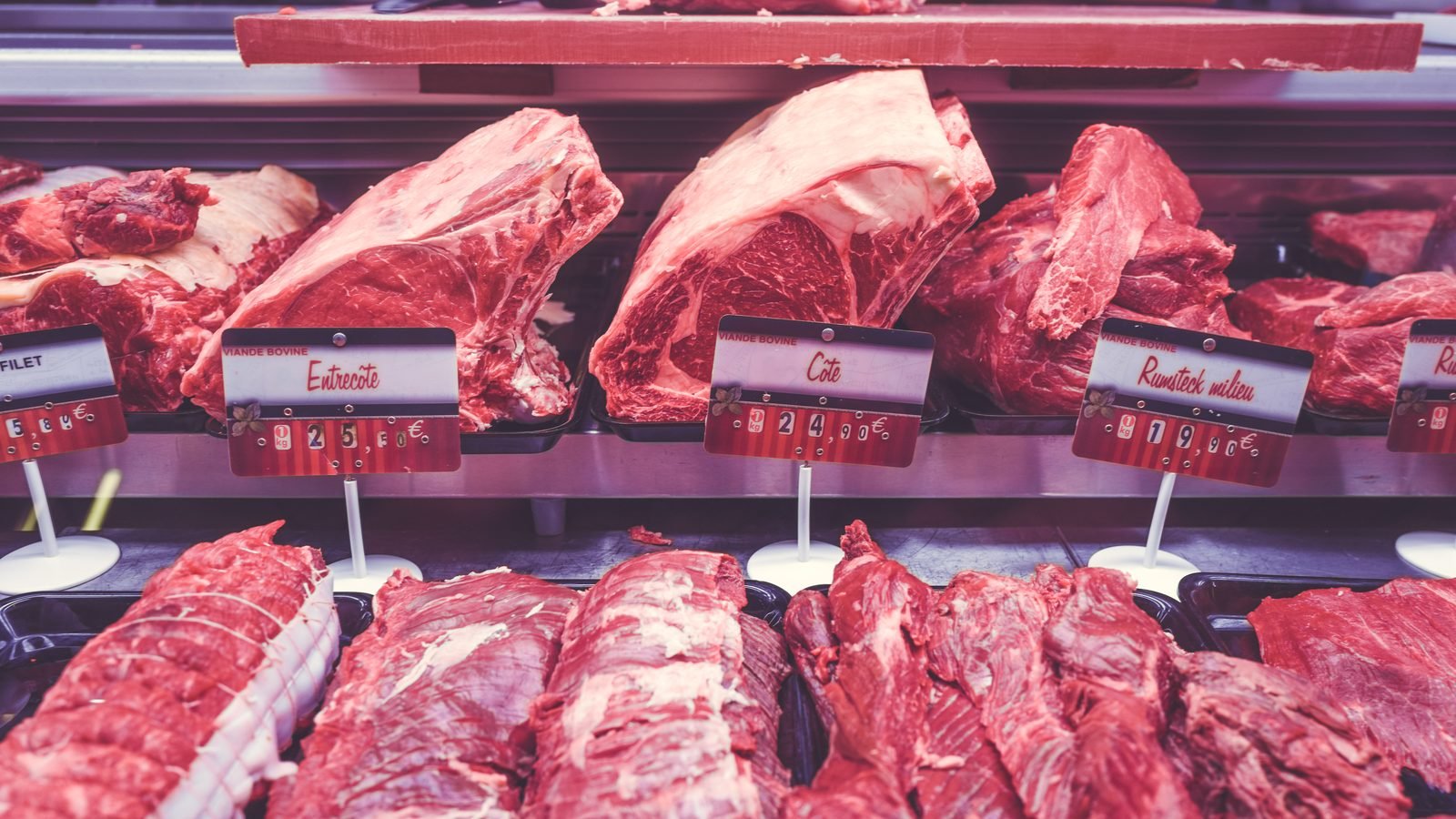
The BARF diet for dogs (Biologically Appropriate Raw Food) is a feeding model based on raw ingredients —muscle meat, raw meaty bones, organ meat and vegetables— instead of processed food.
It has devoted followers and also serious warnings from veterinary organizations about bacterial and nutritional imbalance risks. If you want to start, do it with a vet.
We make natural treats; we're not nutritionists, so this guide won't give you a recipe to switch your dog's diet this weekend. What you will find is what BARF is, what it includes, what veterinary organizations say —the good and the concerns—, how to make a cautious transition, and where dehydrated treats fit in, and where they don't.
Before you start: a homemade raw diet is a big change to your dog's diet. Talk to a veterinarian or a canine nutritionist before doing it, especially if your dog is a puppy, a senior, pregnant or has a health condition, and if young children, older adults or anyone with a weakened immune system lives in your home.
What the BARF diet is
BARF stands for Biologically Appropriate Raw Food, although in its early days it was also read as Bones And Raw Food. The term became popular in the 1990s through the work of Australian veterinarian Ian Billinghurst.
The core idea is to feed dogs whole, raw ingredients, similar to what a hunting canine would eat, instead of kibble. In practice, every owner who follows BARF does it differently: some prepare everything at home, some buy ready-formulated frozen raw meals and some mix raw with other foods.
What it includes and approximate ratios
These are the ranges commonly cited in popular literature on BARF. They are approximate and not a prescription: a real plan depends on each dog's weight, age, activity level and health.
| Component | Commonly cited ratio | Examples | Role in the plan |
|---|---|---|---|
| Muscle meat | 60 to 70% | Beef, chicken, pork, lamb | The protein base |
| Raw meaty bone | 10 to 15% | Raw wings, necks, ribs | Mineral source within the model |
| Organ meat | About 10%, half of it liver | Liver, kidney, spleen | Round out the menu |
| Vegetables and fruit | 5 to 15% | Carrot, pumpkin, zucchini, apple without seeds | Variety and fiber |
Two non-negotiable warnings. First, the meaty bone is raw, never cooked: cooked bone splinters. Second, several common kitchen ingredients are off-limits for dogs, like onion, garlic or grapes; check the full list of foods dogs can't eat and, for the vegetable part, our guide to fruits dogs can eat.
What vets say
It's the most-searched question on Google about BARF, and it deserves a straight answer: the major veterinary organizations are cautious or opposed, mainly for two reasons.
1. Bacterial risk, for your dog and your family
The American Veterinary Medical Association (AVMA) advises against feeding dogs and cats any animal-source protein that hasn't gone through a process to eliminate pathogens. The FDA tested 196 samples of raw pet food: 15 were positive for Salmonella and 32 for Listeria monocytogenes. The agency warns that the risk extends both to animals and to the people who handle that food.
2. Risk of nutritional imbalance
A homemade diet, raw or cooked, can fall short of or exceed mineral and vitamin needs if it isn't properly calculated. The most delicate case is a puppy, which needs precise amounts of calcium and phosphorus to grow. That's why, if you feed at home, the prudent choice is to have the diet formulated by a vet trained in nutrition.
And what followers say
Many owners say their dogs eat with more interest or that they notice changes in their stool or coat. These are real experiences, but they're individual accounts, not evidence that the diet is better for all dogs. The honest approach is to weigh them alongside the risks, not instead of them.
Hygiene: the part you can't skip
If you decide to feed raw, the FDA's handling recommendations are the minimum:
- Wash your hands with soap and water for at least 20 seconds after touching raw food.
- Clean and disinfect all surfaces, cutting boards, knives and bowls that came into contact with it.
- Thaw in the fridge or microwave, not on the counter or in the sink.
- Store raw food separately from the rest of the household food.
- Don't let your dog lick your face and don't kiss them near the mouth.
- Pick up whatever isn't eaten and don't leave it at room temperature.
How to make the transition without rushing
With your vet's approval and a plan calculated for your dog, the transition should be gradual. A sudden change in diet, whether to raw or any other food, is a common cause of digestive upset.
- Ask for the plan in writing: which ingredients, in what amounts and how many times a day.
- Find reliable suppliers and keep the cold chain intact from purchase to bowl.
- Introduce the new food little by little, at the pace the professional recommends.
- Watch: appetite, stool, energy and weight. Write it down.
- Go back to the vet to weigh them and review the plan in the first few weeks.
If during the process your dog stops eating, vomits or has diarrhea, stop the change and call your vet. In my dog won't eat we explain when not to wait. And to organize feeding times, our guide on how many times a day a dog should eat works whatever their diet.
Where dehydrated treats fit in
This is where we can speak from experience, because it's what we make. Many owners interested in BARF also look for treats that meet the same standard: a single animal ingredient, no added preservatives or colorants. Dehydrated treats meet that, but three things are worth being clear about:
- They're not raw. They go through a dehydration process that removes moisture; that's why they keep outside the fridge.
- They're not part of the ration. They're a treat. They don't replace the meat, organ meat or any other component of the plan.
- They count toward the daily total. The WSAVA guideline is that treats shouldn't go over 10% of daily calories.
Within that margin, they serve the same purpose as in any other diet: rewarding, training and giving your dog something to chew. The ones most used by people who feed naturally are lung, ears, trachea and dehydrated beef, which you'll find in our section of natural treats & rewards.
Raw meaty bones and recreational bones: not the same thing
There's a lot of talk about bones in BARF, and it's easy to mix up two different things:
| Raw meaty bone | Dehydrated recreational bone | |
|---|---|---|
| Purpose | Part of the food in the BARF model | A chew for entertainment |
| How it's eaten | Whole, with the meat | Chewed; taken away when it gets small |
| Storage | Fridge or freezer | Room temperature, in a sealed package |
| Example | Raw wings or necks | Beef bone, femur |
Both require the same thing: never cooked, the right size and under supervision. If you're looking for a chew, you'll find it in our line of dog bones.
Common mistakes when starting out
- Copying a recipe from the internet without adjusting it to your dog. A menu for a German Shepherd won't work for a Chihuahua.
- Feeding only meat. A meat-only diet with no bone or organ meat is unbalanced.
- Using cooked bones or kitchen scraps with salt, onion or garlic.
- Getting lax about hygiene after the first few weeks.
- Switching all at once, with no transition.
- Not going back to the vet to check weight and overall health.
- Adding treats without counting them, as if they had no calories.
If you want to move toward a more natural diet without going raw, start with our practical guide to natural feeding for dogs.
Single-ingredient treats for natural diets
Dehydrated at our plant in La Estrella, Antioquia, with no added preservatives or colorants.
- Beef Lung 200g — light, breaks with your fingers
- Beef Jerky 100gr — dehydrated beef muscle
- Trachea 6″ — beef cartilage to chew
My Pet Team
The My Pet content team. My Pet is a Colombian maker of 100% natural dog treats and edible chews, produced in La Estrella, Antioquia, with certification from the Colombian Agricultural Institute (ICA).
This guide is for information only and does not replace advice from a veterinarian or canine nutritionist. Don't change your dog's diet without consulting them.
More about us on about us.
Frequently asked questions
What does the BARF diet for dogs include?
Raw muscle meat, raw meaty bone, organ meat like liver and kidney, and a smaller portion of vegetables and fruit. The ratios cited in popular literature are around 60 to 70% meat, 10 to 15% meaty bone, about 10% organ meat and the rest vegetables, but they're approximate: every dog needs a plan adjusted by a professional.
What do vets say about the BARF diet?
The main veterinary organizations are cautious. The AVMA advises against feeding dogs and cats animal protein that hasn't gone through a process to eliminate pathogens, and the FDA found Salmonella and Listeria in raw pet food samples. In addition, a poorly calculated homemade diet can end up unbalanced. If you want to try it, do it with a vet.
How do you do the BARF diet for dogs?
With a plan formulated for your dog based on weight, age and activity, ingredients from reliable suppliers, a cold chain, strict kitchen hygiene and a gradual transition from their current food. The safest approach is to have a vet or canine nutritionist calculate the amounts and check on your dog during the change.
Can puppies eat a BARF diet?
It's the stage when a balance mistake has the biggest consequences, because a puppy needs precise amounts of calcium, phosphorus and energy to grow well. If you're considering a raw diet for a puppy, don't improvise: talk to a vet first.
Are dehydrated treats part of the BARF diet?
They're not part of the ration; they're a treat. Many owners who feed naturally choose single-ingredient dehydrated treats because they fit their standards, but they should be counted within the 10% of calories the WSAVA sets aside for treats and should never replace a meal.
Summary
- BARF is raw feeding: meat, meaty bone, organ meat and vegetables.
- The ratios are approximate; a professional calculates the plan.
- The AVMA and FDA warn about the bacterial risk to your dog and your family.
- Strict hygiene and a gradual transition, with veterinary follow-up.
- Dehydrated treats are a reward, not a ration, and count within the 10%.
Do you feed your dog BARF or are you thinking about it? Share your experience in the comments.
References
- FDA — Get the Facts! Raw Pet Food Diets Can Be Dangerous to You and Your Pet — Salmonella and Listeria results in raw food and handling recommendations.
- AVMA — Raw pet foods and the risk to your pet’s health — The American Veterinary Medical Association's position on raw foods.
- WSAVA — Global Nutrition Guidelines — Veterinary nutrition guidelines and the 10% rule for treats.



[…] If they're on a homemade or raw diet, a professional should calculate the amount; we explain it in BARF diet for dogs. For an overview of how to feed naturally, see the guide to natural […]